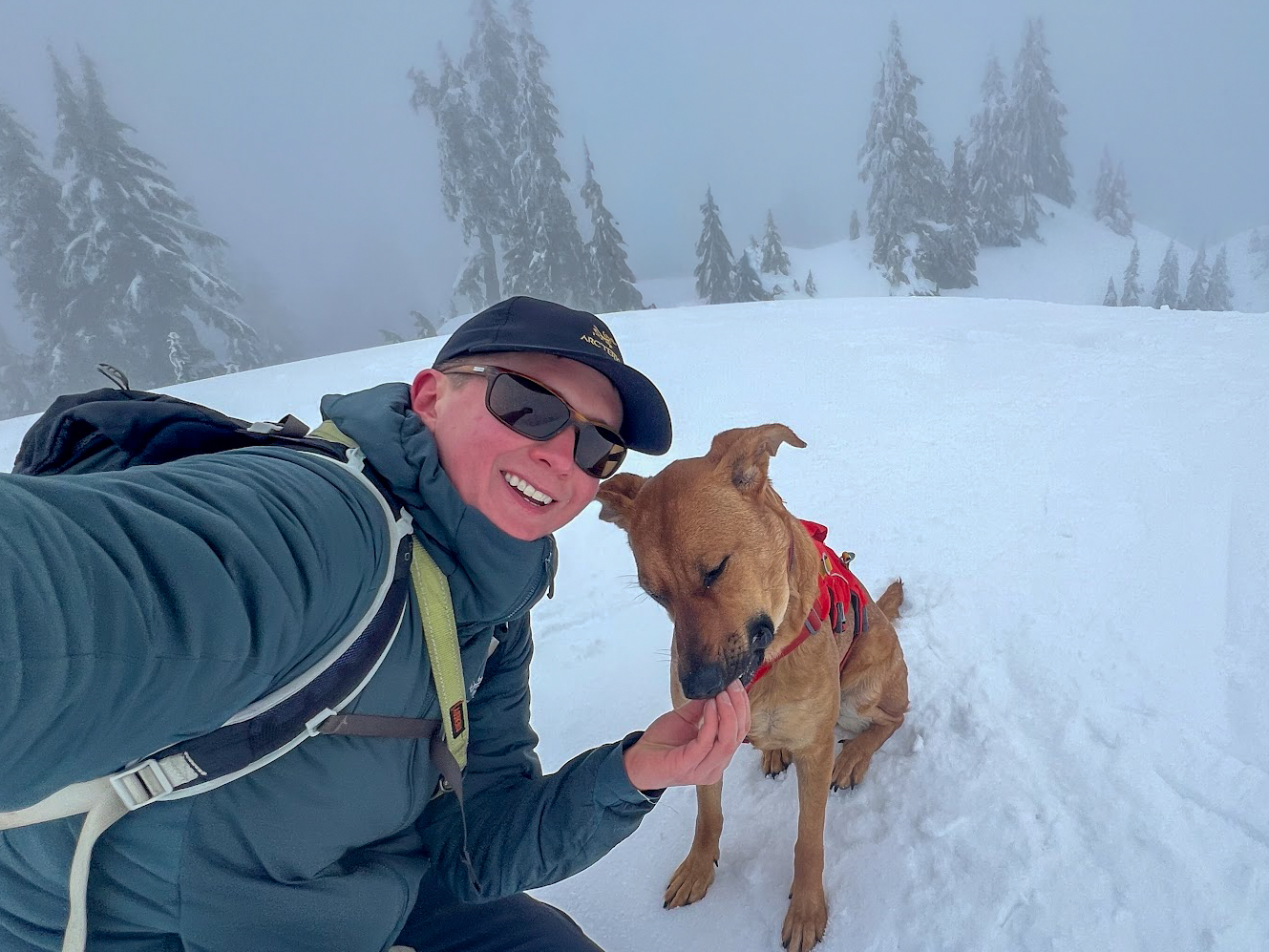
Conservatives are obsessed with trans people playing sports, especially women’s sports. This is very weird to me, as…
- There is no scientific evidence that trans women have athletic advantages over cisgender women.
- Gender policing inflicts significant harm on cis women, whom they claim to be protecting. (Listen to the podcast Tested to learn more.)
- Most human beings play sports for fun, exercise and community. Weirdly enough, these are things that trans people like too.
The typical advice from trans allies is that trans people should play sports in the category that aligns with their gender. So trans women should play women’s sports. And trans men should play in men’s sports.
But what about non-binary people? This is almost never an option.
So what is a non-binary person to do?
My perspective
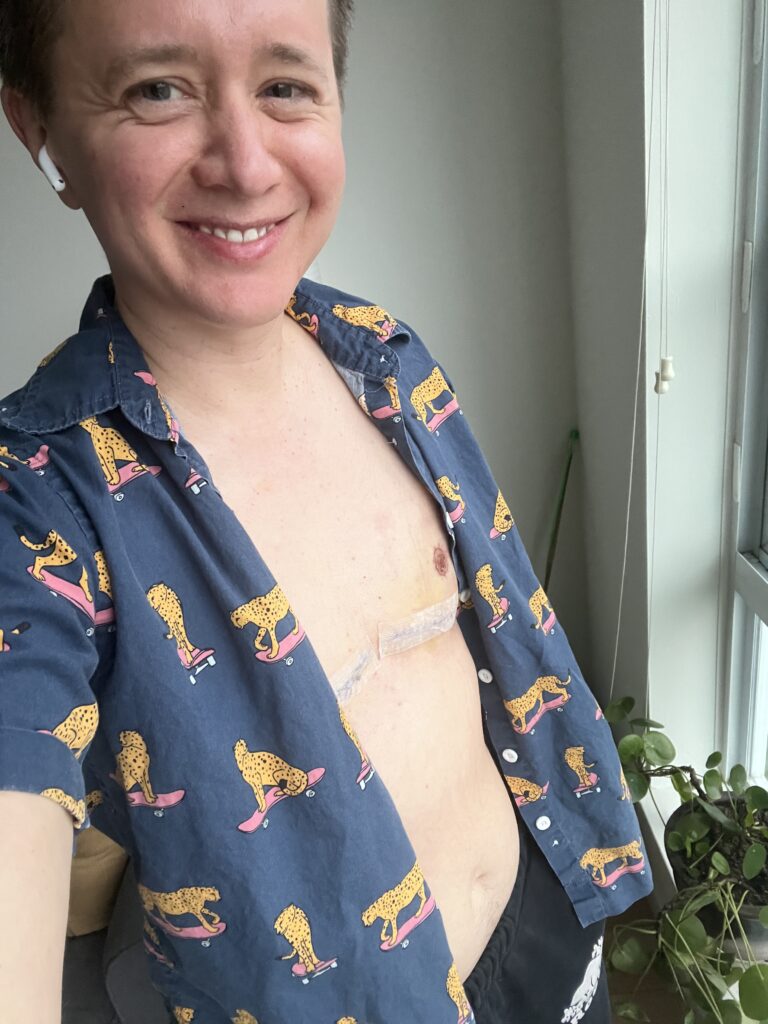
I identify as a non-binary trans masculine person. I am about one year into my medical transition. I’ve been on testosterone for about a year and had a masculinizing top surgery a few weeks ago.
As I keep taking testosterone, people may start to perceive me as a man. But this is not my goal. I feel more comfortable in the in-between space, thus non-binary.
Before top surgery, most strangers still seemed to think I was a woman. But this may change now that my previously large chest is gone. I haven’t had the chance to test drive my new body much in the wild yet, so time will tell.
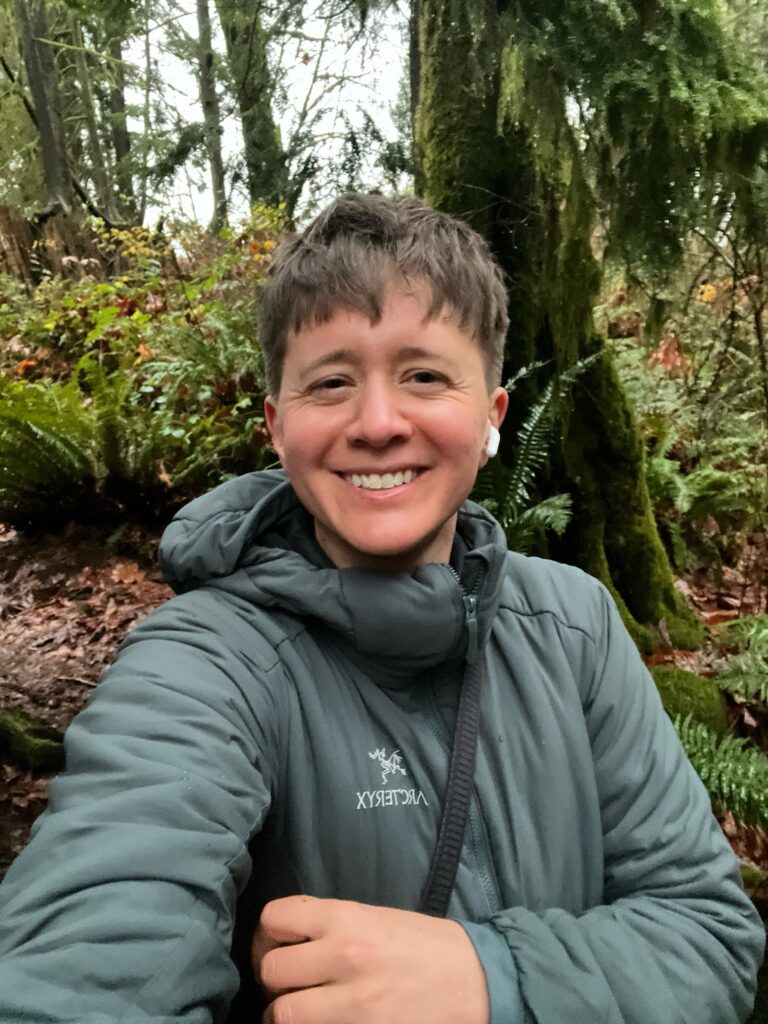
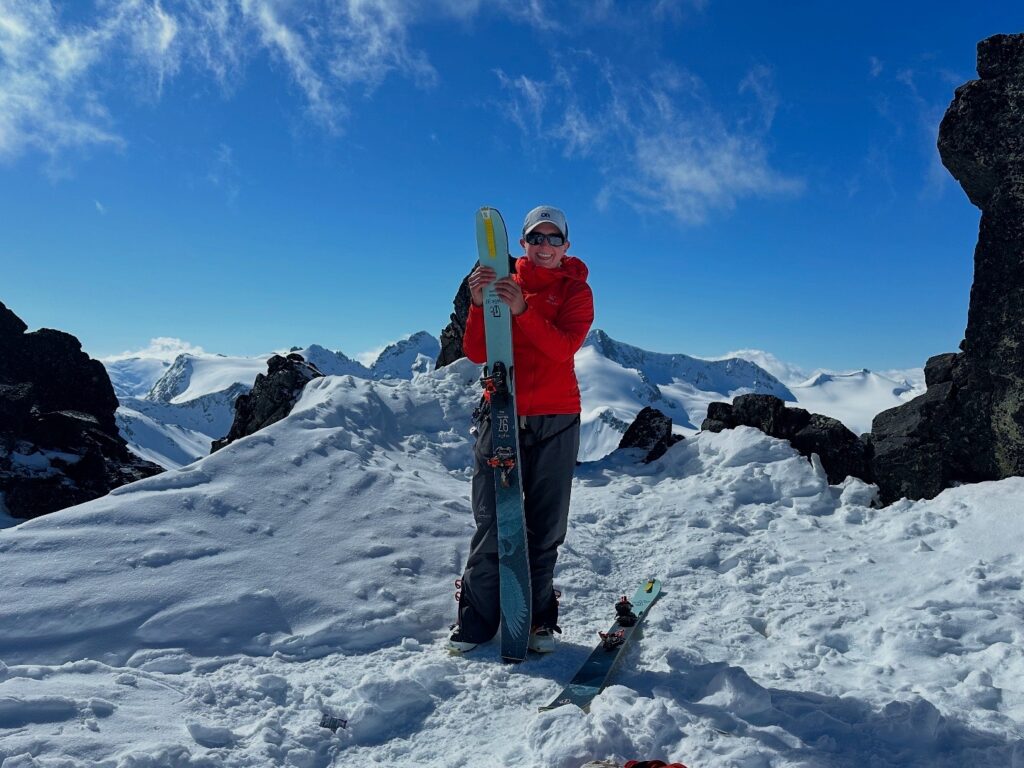
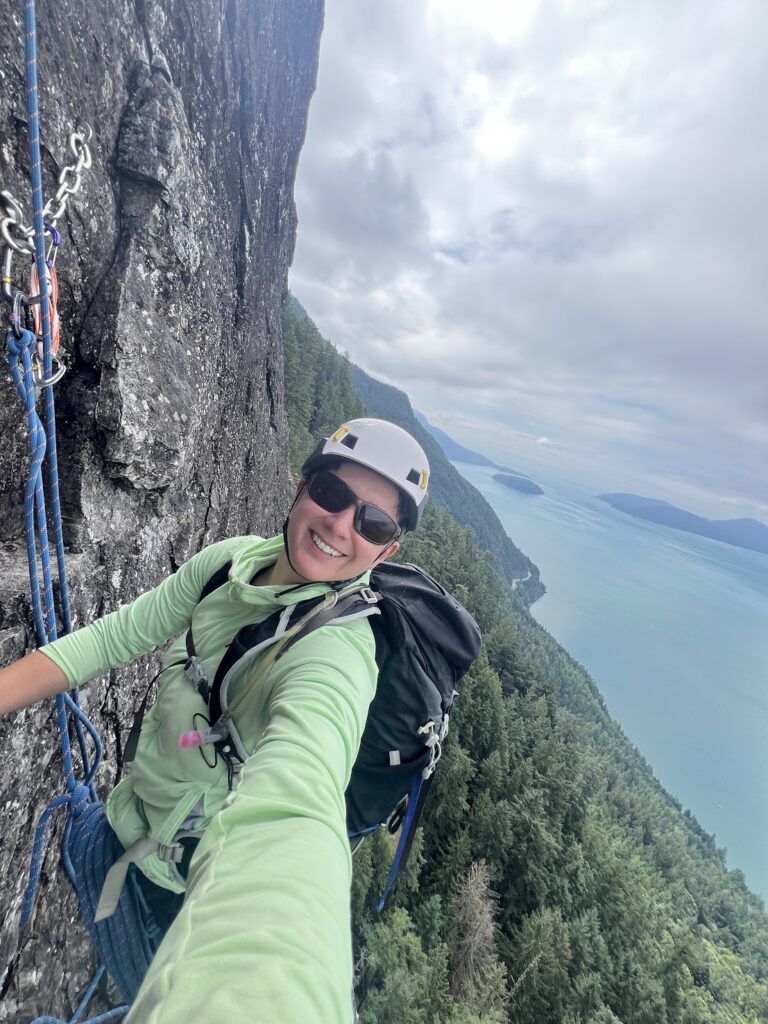
My life is built around outdoor recreation, including climbing, skiing, hiking, and backpacking.
This means if I want to enjoy my favourite activities, I usually have to choose whether to join a women’s group or a group for “everyone.”
These “everyone” groups can feel uneasy or unsafe places to be if you’re a minority of any kind, including being an androgynous trans person.
Women’s groups can feel much safer for me. But I do not want to make anyone else uncomfortable by being somewhere I am not welcome. And I don’t want to make myself feel uncomfortable by having to pretend to be something I am not
Trans men are men … right?
I grew up learning that trans women are women and trans men are men. By this logic, it’s time for me to move into men’s spaces, or at least, stay out of women’s groups.
And I am curious about men’s spaces. I usually just say I am queer, but when you get down to it, I identify as “androsexual.” This means being attracted to masculinity in all sorts of people. I’ve dated men and masculine women/non-binary people. My wife is the person one in our relationship that is typically called sir.
Because of this, I feel curious about spending more time in men’s spaces, especially queer men’s spaces. But honestly, I have a lot of feminine energy that I do not plan on changing. So I’m just not sure how good men’s spaces will feel or how welcome I would be.
I also feel like there is a lot more nuance in transition that was not previously allowed.
Traditionally, everyone who had taken the same steps of medical transition as me would be considered trans men. However, we now realize that some of us are non-binary and do not necessarily feel like men or women.
We are also starting to realize that some people who have top surgery and/or hormones feel a much stronger attachment to queer women’s spaces, and may call themselves a butch, dyke or masc lesbian. They may want to stay in sapphic or lesbian spaces.
Shared girlhood and womanhood
When I was growing up, nothing about being a girl or woman in a group of all girls or women felt natural to me. I was told that this was internalized misogyny. I had to learn to love my feminine side and learn to appreciate being around women.
I never did come to feel comfortable as a woman. But I genuinely did learn to prefer the company of women.
I worked at an all-girls summer camp with all-women staff (though a bunch of us turned out to be trans!). I organized hikes and climbing trips just for women. In my day job, I now work almost exclusively with women in human resources.
I have also spent almost all of my life being on the receiving end of misogyny and sexism. Nothing about medically transitioning has made 40+ years of these shitty experiences leave my psyche.
For these reasons and more, I often feel most comfortable around women.
So can I just keep joining women’s groups?
Masc vibes
Testosterone has had a profound impact on my emotional landscape.
One moment that stands out for me is when I joined a women’s ski camp at Whistler. I had been on testosterone for a few months. Nothing about my appearance had changed, but I noticed just how much my emotions had.
I was willing to take on much more risk than everyone else in my advanced skiing group. I pushed the instructor to take us into more challenging terrain and move a lot faster. During lunch, while folks snacked on salad and grilled chicken, my testosterone-fueled body was pounding back nerds gummy clusters and potato chips like a teenage boy.
Plenty of women ski aggressively and way better than I do, as well as guzzle candy as fuel. One of them I am married to. But women-only lessons can be a safe space for people who are feeling more cautious or want more support. This is why I liked them. However, this was not the energy I was bringing to the group.
And the instructor kept calling us ladies. There is nothing I hate more in this world than being called a lady.
This lesson made me wonder if it was time to give up on the women’s group experience.
Marginalized genders unite?
There are a lot of outdoor groups where I live on the West Coast of Canada that welcome people like “women and non-binary people” or “women and gender expansive people.”
And I’m always like, what does this mean exactly? Do you mean people who were assigned female at birth? Do you mean trans people who “look like” women? Do you mean me, a person whose voice randomly cracks like the 42-year-old teenage boy that I am?
Last year, I joined the board of directors for Mountain Mentors, a non-profit that provides mentorship in backcountry sports like hiking, climbing and backcountry skiing. I have previously been a mentor and mentee.
Mountain Mentors started as a women’s organization but it has become increasingly inclusive to all trans people. When I first joined as a climbing mentor, the group welcomed non-binary people who felt comfortable in a space that prioritized women’s experiences.
I did not want to insert my own priorities into this organization, so I let my fellow board members take the lead on trans inclusion. And the consensus is that we wanted to be much more inclusive for all trans people.
This is who we serve now: “marginalized genders, including women, non-binary, gender non-conforming, trans masculine and trans feminine folks.”
Is this perfectly safe and welcoming for every single trans person? No. We are a small, mostly volunteer-run organization with a tiny budget. But we keep getting better all the time.
The promise of always trying to do better made me stick around. And when I got my top surgery a few weeks ago, the friends that I made in this community are the people who showed up the most for me. Fellow board members brought us home-cooked dinner most days for two weeks. And a friend I made through being in the cohort created an amazing ceremony for me, complete with handmade boat.
In my ideal world…
In my ideal world, there would be trans and non-binary groups so I could just hang out with my people all the time. And when I was running, I would not have to feel completely weird in both the male and female categories.
But this is just not happening in the foreseeable future. Non-binary people make up 0.12% of the population, which is a few thousand people in Vancouver. How many of them are roughly my age and also into backcountry skiing and rock climbing? I think I may have already met us all.
Because of this, I so appreciate it when women’s groups become truly more expansive to include all trans, non-binary, and gender creative people. We have a lot more in common than it may first seem.
And of course, all trans women should be allowed to play in women’s sports. And trans men should be able to play in men’s sports. This is especially true for children and teenagers.
What about you?
Please remember I am one person and do not represent all trans people or all non-binary people.
Fellow gender expansive folks: How do you navigate where you belong in a binary world, especially during times of transition? Leave a comment and let me know!
Leave a Reply